How to reconstitute peptides
What you'll need
Bacteriostatic water
Bacteriostatic water is sterile water with benzyl alcohol added to help limit bacterial growth. Proper pH matters because it can affect how a peptide dissolves and holds up in solution. Use a genuine pharmaceutical-grade, USP-labeled product whenever possible. Hospira is the brand I recommend, with a labeled pH of 5.7 and an acceptable range of 4.5 to 7.0. If pharmaceutical-grade water is not available, at minimum look for current third-party pH testing. Remember that a pH result alone does not prove sterility or overall quality. Read the official Hospira label ↗
3 mL Luer-lock syringes and 25-gauge needles
I recommend sterile, single-use 3 mL Luer-lock syringes paired with 25-gauge needles for transferring the reconstitution liquid. Feel free to use a larger syringe if your peptide comes in a larger vial. Thinner needles with a higher gauge number can also be used, but transferring the liquid will take longer and can be annoying. These supplies are for reconstitution, not administration.
Alcohol prep pads
Use them to clean the rubber stopper on both vials before each access.
Permanent marker
Label the vial with the amount of water added or the final concentration. Add the reconstitution date so you do not have to rely on memory.
Four simple steps
How to reconstitute a peptide
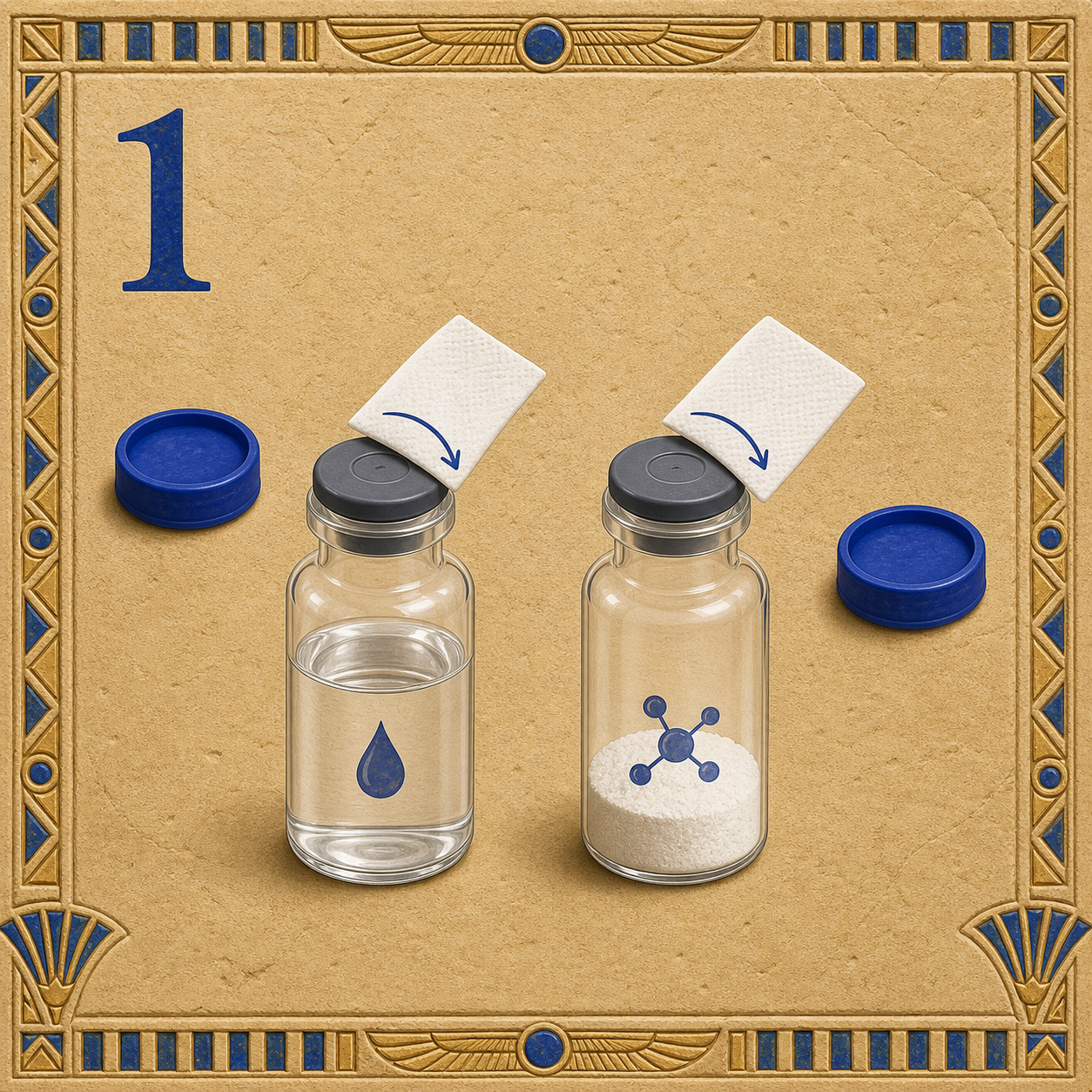
Prep the vials. Remove any flip-off caps and swab the rubber stopper on both vials with a fresh alcohol prep pad. 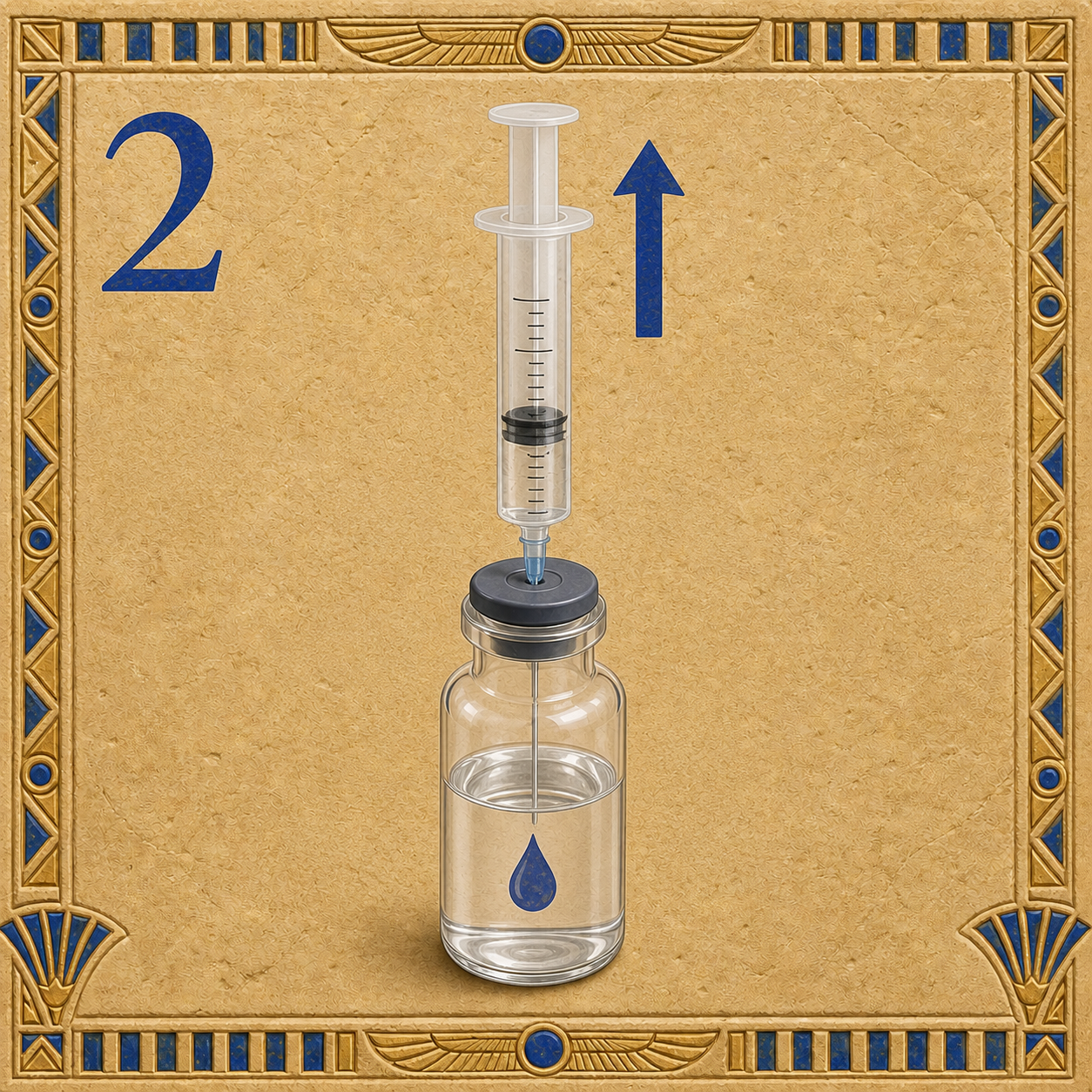
Draw the water. Insert the needle into the bacteriostatic-water vial and draw the desired amount into the syringe. 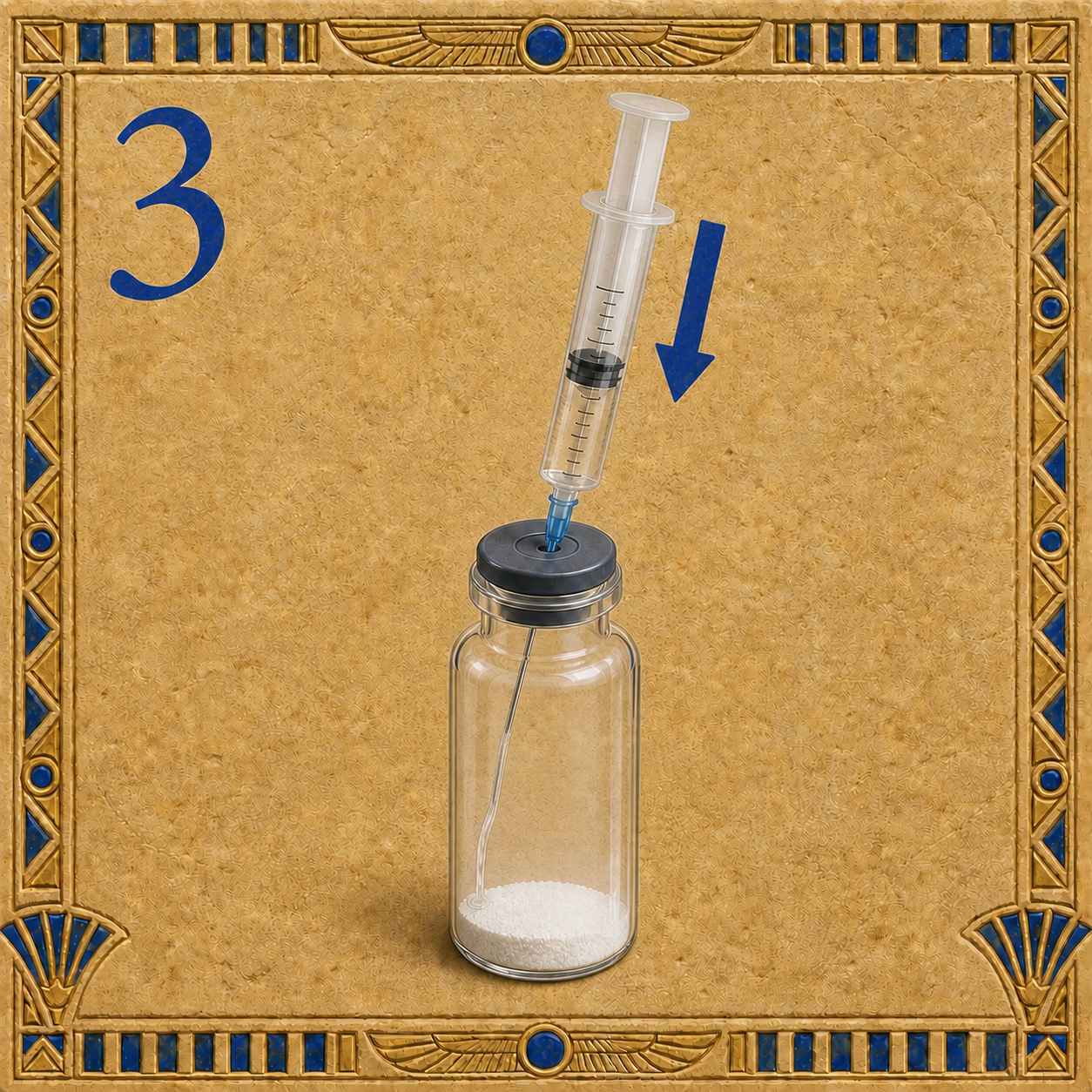
Add it slowly. Pierce the peptide vial's rubber stopper and let the water run slowly down the inside wall of the vial. 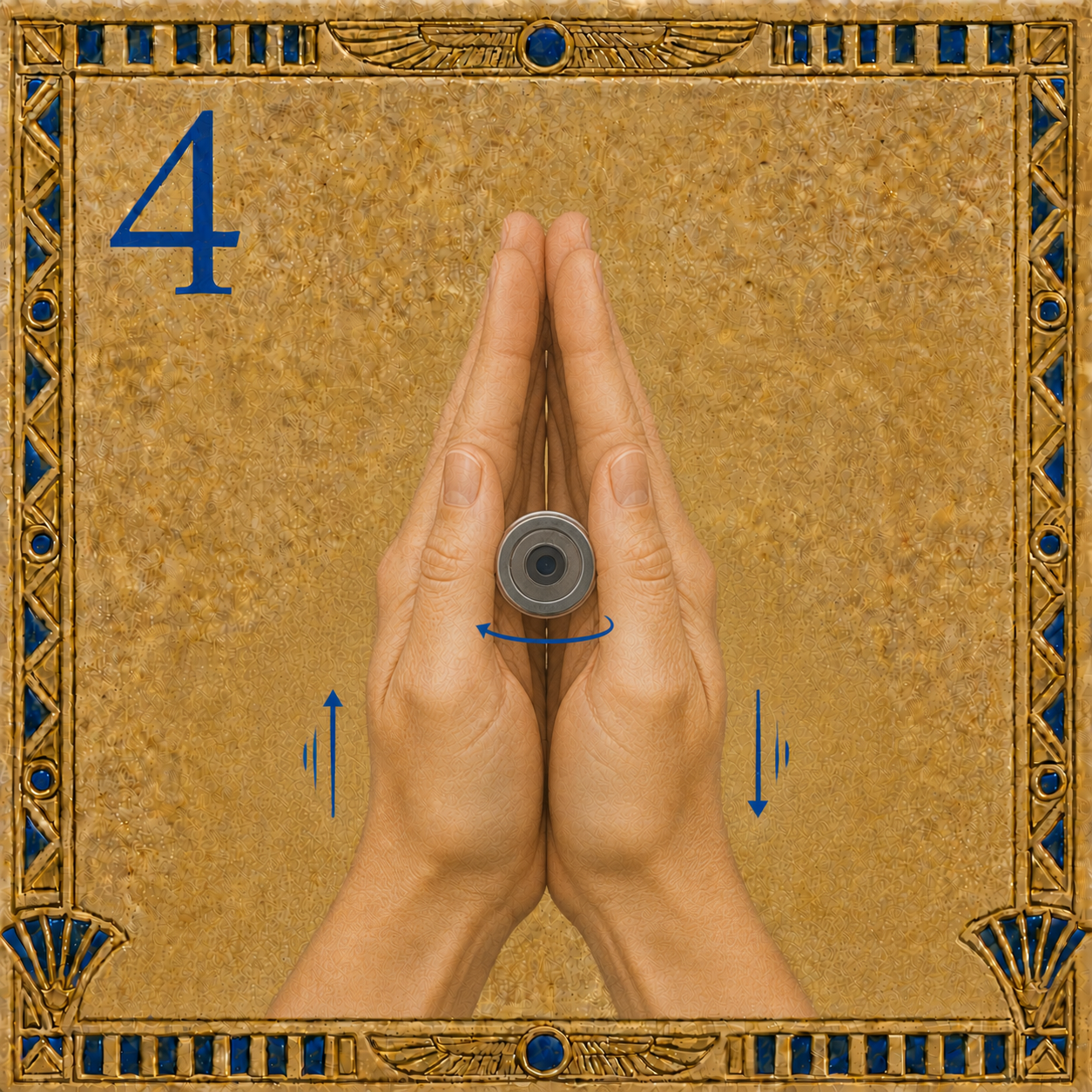
Dissolve it gently. Roll the vial slowly between your palms. Some peptides are fragile and can be damaged by vigorous shaking, so only shake the vial if rolling is not fully dissolving the powder.
Use a clean workspace and new, sterile equipment for every vial access.
Keep the math simple
How much water should I use?
The exact amount of water is often less important than knowing how much you added and writing it down. Once you know the concentration, you can measure the amount accurately. I often choose amounts that make the math easy. For example:
Use enough water to fully dissolve the powder.
Some compounds require a very small dose, so adding more water can make them easier to measure accurately. Compounds that sting may also feel better when they are more diluted.
Write it on the vial. Use a permanent marker to record the amount of water added, the final concentration, and the date it was reconstituted. Do not rely on memory.
Open reconstitution calculatorPowder, liquid, and travel
How to store peptides properly
Still in powder form
Keep unreconstituted peptides sealed in the freezer inside a protective container. A vacuum-sealed bag adds another barrier against moisture.
After reconstitution
Keep reconstituted peptides in the refrigerator inside a clean, closed container that protects them from contaminants and light. Label each vial with the compound, concentration, amount of water added, and reconstitution date.
When traveling
Carry reconstituted peptides in an insulated container with a cold pack. Try to avoid letting a reconstituted vial freeze. A brief period out of the refrigerator does not automatically mean a peptide is ruined, but heat stability varies. Return it to proper storage as soon as you can.