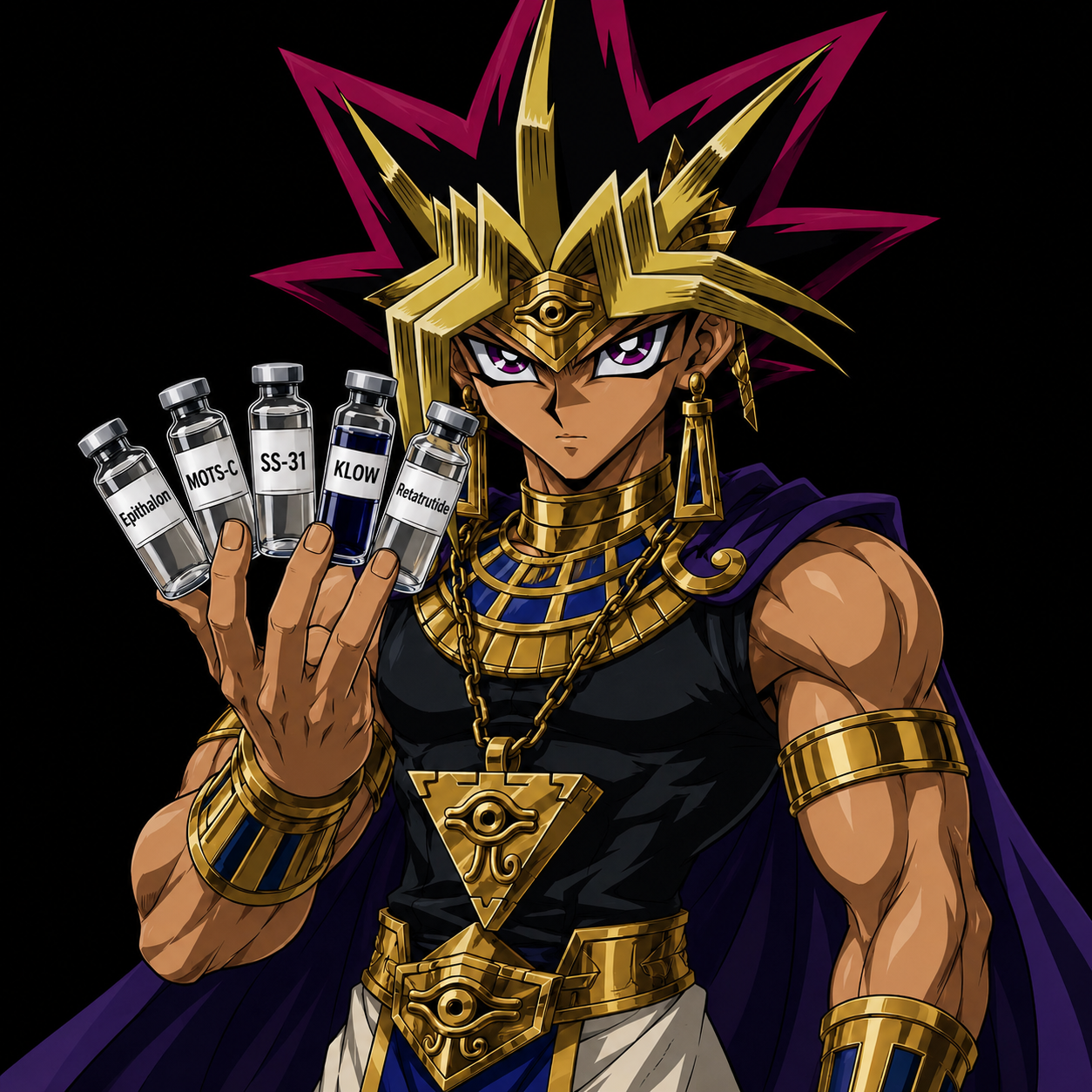
One complete checklist
10 things to look for on a COA
Read a COA in this order. First prove that the report belongs to your batch. Then separate identity, content, and purity. Finally, check whether contamination testing was actually performed.
Confirm the report. Understand the results. Check the safety testing.
Confirm the report
Before reading a single result, make sure the document is real and belongs to the vial in front of you.
- 1
Trusted third-party laboratory
Look forA real, independent testing lab with a verifiable identity and a report hosted on the lab’s actual website. Go to the lab’s site yourself and find the COA there instead of trusting a PDF supplied by the vendor.
Why it mattersFake labs and fake PDFs exist. A report created or tested only by the vendor or manufacturer has a built-in conflict of interest. Independent third-party testing is stronger evidence, but you should still verify that the lab is real and that it actually issued the report.
- 2
Compound, batch, and vial
Look forThe exact compound name and a lot number that matches the vial. If the COA includes a photo or physical description, compare the vial label, cap color, and other visible details with what you have in hand.
Why it mattersA legitimate report for a different batch or a different-looking vial does not verify your product. If the photo or description does not match, stop and ask the vendor and lab to explain before relying on it.
- 3
Report details
Look forA report ID, sample-received date, test date, issue date, and the complete set of pages.
Why it mattersThese details create a trail you can verify and help expose recycled or cropped reports.
Understand what is in the vial
These tests answer three different questions. One result cannot replace the others.
- 4
Identity
Look forA named identity method, such as mass spectrometry, and a clear match result.
Why it mattersIdentity asks whether the expected compound was found. It does not tell you how much is present.
- 5
Peptide content
Look forA quantitative assay showing the measured amount per sample or vial.
Why it mattersContent tells you the actual amount. A 99% purity result does not mean the vial contains the amount printed on its label.
- 6
Purity and raw data
Look forThe test method, numerical purity result, and supporting data such as a full chromatogram.
Why it mattersPurity describes the tested sample’s main peak. It does not establish identity, content, sterility, or endotoxin level.
Check the safety testing
For a product sold as suitable for injection, contamination testing deserves its own close look.
- 7
Sterility
Look forA separate microbiological result, the method used, and a clear statement of the outcome.
Why it mattersSterility asks whether viable contaminating microorganisms were detected. Chemical purity cannot answer that.
- 8
Endotoxin
Look forA named method, acceptance limit, units, and actual numerical result for the batch.
Why it mattersEndotoxins can remain even when no living bacteria are present, so sterility testing does not replace this test.
- 9
Heavy metals
Look forIndividual results for relevant elemental impurities, with units, limits, and the method used.
Why it mattersA generic “heavy metals pass” line gives you very little to evaluate.
- 10
Method, limit, result, status
Look forFor every test, find what was tested, how it was tested, the passing limit, the actual result, and the final status.
Why it mattersThe word “pass” is only useful when the underlying method, specification, and result are visible.
A few details that matter
Bonus tips for judging the safety case
A longer testing menu can look impressive, but not every line carries the same weight. Focus first on the tests that answer the biggest questions, then look at how representative the tested sample really is.
Start with purity, sterility, and endotoxin
These are three of the most important safety checks to find. Purity looks for unwanted material in the chemical sample. Sterility looks for viable microorganisms. Endotoxin testing looks for bacterial toxins that can remain even when living bacteria are not detected.
Still confirm identity and peptide content too. A clean sample is not useful if it is the wrong compound or the wrong amount.
Heavy metals
Heavy-metal contamination would be serious, but there is limited public evidence showing that it is a common peptide problem. Testing can still add reassurance, especially when the report lists each element, the method, the units, the limit, and the actual result.
Fentanyl testing
Some vendors and laboratories now offer targeted fentanyl screening. Fentanyl should never be anywhere near a peptide vial. A verified negative result can provide extra peace of mind, but it only speaks to the sample and substances covered by that specific test.
How many vials were tested?
One vial from a batch of 1,000 is weak evidence that every vial is the same. Testing more randomly selected, batch-traceable vials builds a stronger safety case.
Pharaoh’s shortlist
Trusted third-party labs
These laboratories offer peptide testing and give you a place to start when checking a COA or ordering independent analysis. A lab’s reputation does not replace checking the exact report, batch, methods, and results.

Janoshik
Independent peptide testing with purity, composition, and other chemical analysis options.
Visit lab website ↗
Freedom Diagnostics
Research-peptide purity testing with a publicly verifiable COA database.
Visit lab website ↗
ILS Laboratories
Peptide QC panels covering identity, purity, content, sterility, endotoxin, and heavy metals.
Visit lab website ↗Krause Analytical
Peptide testing for purity, potency, identity, residual solvents, heavy metals, and other analyses.
Visit lab website ↗